

Bolivia

Alpha 3
BOL

Related Content

Article

Using space-based technologies to predict mosquito-borne disease outbreaks
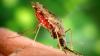
Mosquitos are often cited as one of the deadliest animals in the world, causing up to one million deaths per year (WHO, 2020; CDC, 2021). They can carry and transmit a variety of diseases, including malaria, West Nile virus, dengue fever, and Zika virus; transmitting illness across the globe (Figure 1). To help decrease the burden of disease resulting from mosquitos, researchers are utilising satellite data and remote sensing models to better predict where mosquito breeding grounds may occur in the future.


Map

Disclaimer: The designations employed and the presentation of material on this map do not imply the expression of any opinion whatsoever on the part of the Secretariat of the United Nations concerning the legal status of any country, territory, city or area or of its authorities, or concerning the delimitation of its frontiers or boundaries. They solely serve navigation purposes on this page. Please also note that the map does not filter items if the search term filter is used.

Click on any of the highlighted countries to retrieve further information.

Stakeholder

University of Surrey

The University of Surrey is a leading research and higher education institution in the United Kingdom, known for its strengths in space technology and water research, among other fields.

University of Stirling

The University of Stirling was founded by Royal Charter in 1967 as the first genuinely new university in Scotland for over 400 years and embraces its role as an innovative, intellectual and cultural institution. A research-led university with an international reputation for high-quality research directly relevant to society’s needs, Stirling aims to be at the forefront of research and learning that helps to improve lives. The University works closely with its stakeholders in policy, practice and industry to facilitate this and enhance the relevance and impact of its research.

Person

Freddy Soria

Head of research center Water, Energy and Sustainability Research Center, Catholic University of Bolivia

Civil and environmental engineering, committed with education and capacity building to bridge gaps between practice and science. Hydrological modelling, environment, climate change impacts in the Andes, WASH (water-sanitation-hygiene), remote sensing and GIS applications to water resources evaluation. Taking my initial steps on climate communication, environment and health, perhaps the most critical issue in the region. There is so much to do in Latin America!

Lauren Broyles

Postdoctoral Scholar Pennsylvania State University

Dr. Lauren Broyles is currently a postdoctoral scholar in the Water, Health, and Nutrition Lab within the Department of Biobehavioral Health at Pennsylvania State University. Her research focuses on the connections between water resources, environmental conditions, and human health, particularly in vulnerable populations affected by climate variability and extreme weather events.