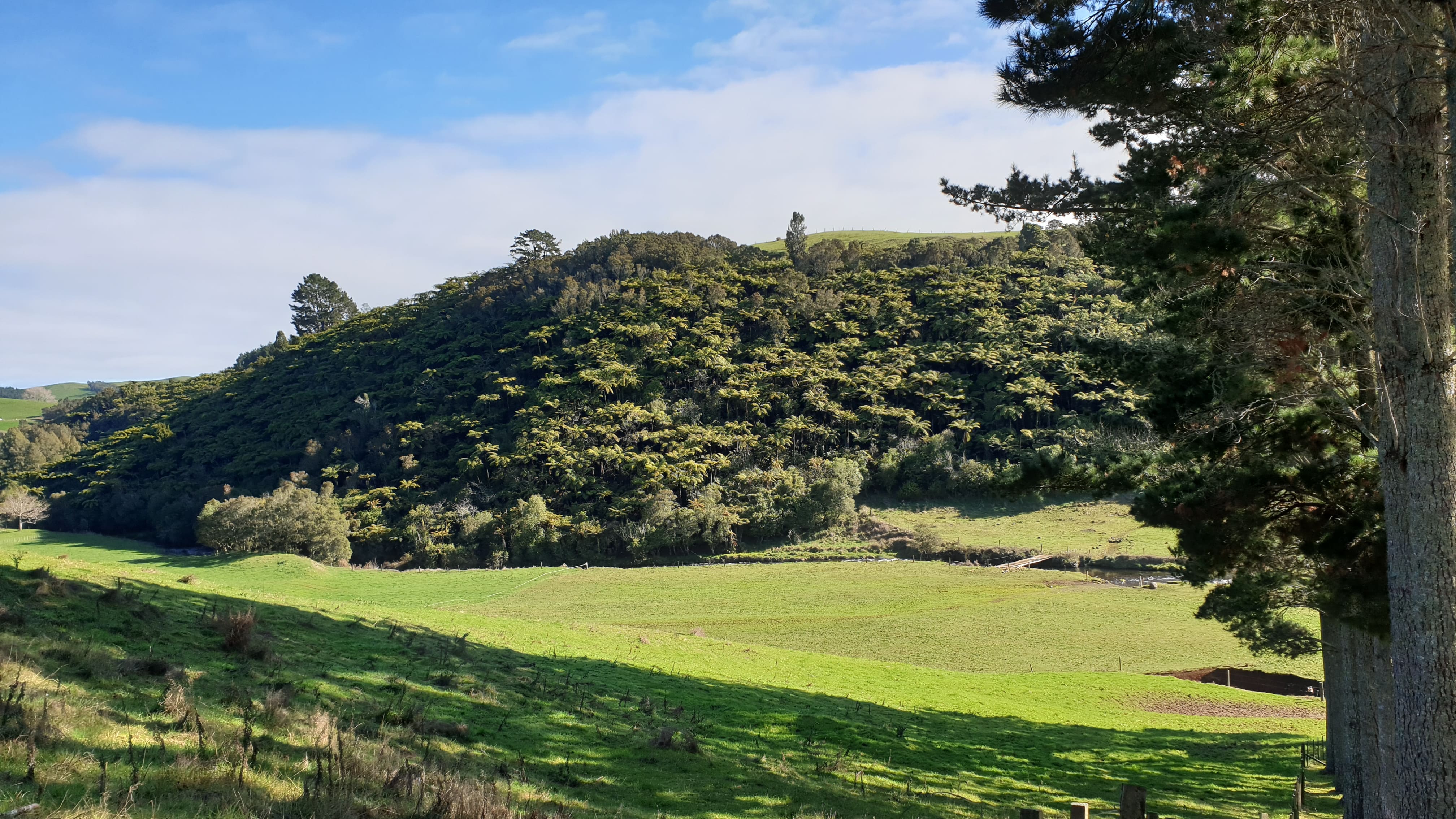

Land use
"The purpose to which the land cover is committed. Some land uses, such as agriculture, have a characteristic land cover pattern. These usually appear in land cover classifications. Other land uses, such as nature conservation, are not readily discriminated by a characteristic land cover pattern. For example, where the land cover is woodland, the land use may be timber production, grazing or nature conservation." (Australian Government, 2019)
Australian Government. 'Definitions', in Land Management, Department of Agriculture and Water Resources. Accessed March 3, 2019. Available at: http://www.agriculture.gov.au/abares/aclump/definitions
Related Content
Article
Wetlands conservation: How satellite observation supports sustainable wetland management
On 2 February 2020, we celebrate World Wetlands Day to raise global awareness about the vital role of wetlands for people and our planet. This year’s edition highlights the connection between water, wetlands, and life.
Wetlands conservation: How satellite observation supports sustainable wetland management
On 2 February 2020, we celebrate World Wetlands Day to raise global awareness about the vital role of wetlands for people and our planet. This year’s edition highlights the connection between water, wetlands, and life.
Conservación de humedales: cómo la observación por satélite apoya la gestión sostenible de los humedales
Translated by: Isabel Zetina
El 2 de febrero de 2020 celebramos el Día Mundial de los Humedales para concienciar al mundo sobre el papel vital de los humedales para las personas y nuestro planeta. La edición de este año destaca la conexión entre el agua, los humedales y la vida.
Monitoreando la escorrentía mediante datos de observación de la Tierra
Translated by Isabel Zetina
Cuando la lluvia cae sobre la Tierra, el agua empieza a moverse y a fluir cuesta abajo a través de alcantarillas y ríos en forma de escorrentía. La escorrentía es extremadamente importante para recargar las masas de agua de la superficie y las aguas subterráneas. Además, la escorrentía modifica el paisaje por acción de la erosión. Es una parte integral del ciclo del agua (Earth Science Data Systems 2021).
Conservación de humedales: cómo la observación por satélite apoya la gestión sostenible de los humedales
Translated by: Isabel Zetina
El 2 de febrero de 2020 celebramos el Día Mundial de los Humedales para concienciar al mundo sobre el papel vital de los humedales para las personas y nuestro planeta. La edición de este año destaca la conexión entre el agua, los humedales y la vida.
Monitoreando la escorrentía mediante datos de observación de la Tierra
Translated by Isabel Zetina
Cuando la lluvia cae sobre la Tierra, el agua empieza a moverse y a fluir cuesta abajo a través de alcantarillas y ríos en forma de escorrentía. La escorrentía es extremadamente importante para recargar las masas de agua de la superficie y las aguas subterráneas. Además, la escorrentía modifica el paisaje por acción de la erosión. Es una parte integral del ciclo del agua (Earth Science Data Systems 2021).
基于卫星遥感的河流三角洲监测
Translated by Dr. Mengyi Jin
自古以来,河流三角洲因水资源丰富、土壤肥沃及交通便利而成为人类聚居的重要区域。这一格局延续至今。目前,生活在三角洲地区的人口已接近 60 亿,使其成为全球人口最稠密的地区之一(Kuenzer and Renaud 2011)。然而,这些三角洲地区正面临着气候变化、海平面上升、土地利用方式转变以及生态系统退化等威胁。遥感技术在获取环境状况及其时序变化方面具有显著优势,其在识别灾害前兆信号、预测自然现象演变等方面发挥着关键作用。在三角洲地区,遥感已被广泛应用于海岸线变化监测、洪水监测与预测等领域(Merkuryeva et al. 2015;Li and Damen 2010)。持续开展三角洲监测不仅有助于维护其生态功能,还能及时识别潜在风险,并为科学管理提供重要依据,而遥感正是实现这一目标的关键技术。
Event
Local Perspectives Case Studies
Stakeholder
Person
Esther Maina
GIS and Remote Sensing expert Kenya Space Agency
Esther W. Maina is a skilled geospatial and remote sensing expert with over five years of experience leveraging space-based technologies to advance food systems resilience, natural resource management, and policy development in Kenya. She holds a Bachelor of Science in Geospatial Information Science from Dedan Kimathi University of Technology and a Master’s in Space Entrepreneurship at the European Institute of Innovation for Sustainability in Italy.
Helen Awe-peter
Principal Scientist National Space Research and Development Agency
I am a geoscientist with expertise in climate change adaptation, hydrological analysis, GIS, and remote sensing. For over six years at the National Space Research and Development Agency (NASRDA), I have applied geospatial technologies to address challenges in biodiversity conservation, sustainable land use, and water resource management.
Amos Kabo Bah
Dean, International Relations Office University of Energy and Natural Resources
Dr. Amos T. Kabo-Bah is a distinguished expert in climate change, energy, and hydrology. With a Ph.D. from Hohai University, China, he has built an impressive career in research, teaching, and consulting. His experience includes a postdoctoral position at the University of Ibadan, Nigeria, and his current role as Dean for International Relations at the University of Energy and Natural Resources, Ghana. Dr.