
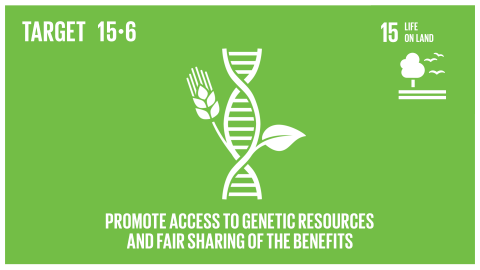
15.6 Promote fair and equitable sharing of the benefits arising from the utilization of genetic resources and promote appropriate access to such resources, as internationally agreed

Graphic displaying the promotion of access to genetic resources and fair sharing of the benefits

Related Content

Article

Monitoring river delta using remote sensing

Since ancient times, people have established communities in river deltas because it provides water, fertile land, and transportation access, making them an ideal place to live. This pattern has been carried forward to the present. With nearly 6 billion people living in river deltas, they are one of the most densely populated places on Earth (Kuenzer and Renaud, 2011). However, they are facing threats such as climate change, sea level rise, land use changes, and ecosystem degradation.

基于卫星遥感的河流三角洲监测

Translated by Dr. Mengyi Jin

自古以来,河流三角洲因水资源丰富、土壤肥沃及交通便利而成为人类聚居的重要区域。这一格局延续至今。目前,生活在三角洲地区的人口已接近 60 亿,使其成为全球人口最稠密的地区之一(Kuenzer and Renaud 2011)。然而,这些三角洲地区正面临着气候变化、海平面上升、土地利用方式转变以及生态系统退化等威胁。遥感技术在获取环境状况及其时序变化方面具有显著优势,其在识别灾害前兆信号、预测自然现象演变等方面发挥着关键作用。在三角洲地区,遥感已被广泛应用于海岸线变化监测、洪水监测与预测等领域(Merkuryeva et al. 2015;Li and Damen 2010)。持续开展三角洲监测不仅有助于维护其生态功能,还能及时识别潜在风险,并为科学管理提供重要依据,而遥感正是实现这一目标的关键技术。